
Discover how PU colleges shape the future of students by building strong academic foundations, preparing them for competitive exams, and supporting overall development.
PU colleges play a significant role in shaping the future of students by providing strong academic foundations, skill development opportunities, and guidance for career paths. The two years spent in 1st PUC and 2nd PUC help students develop the knowledge, confidence, and discipline required to succeed in their chosen fields.
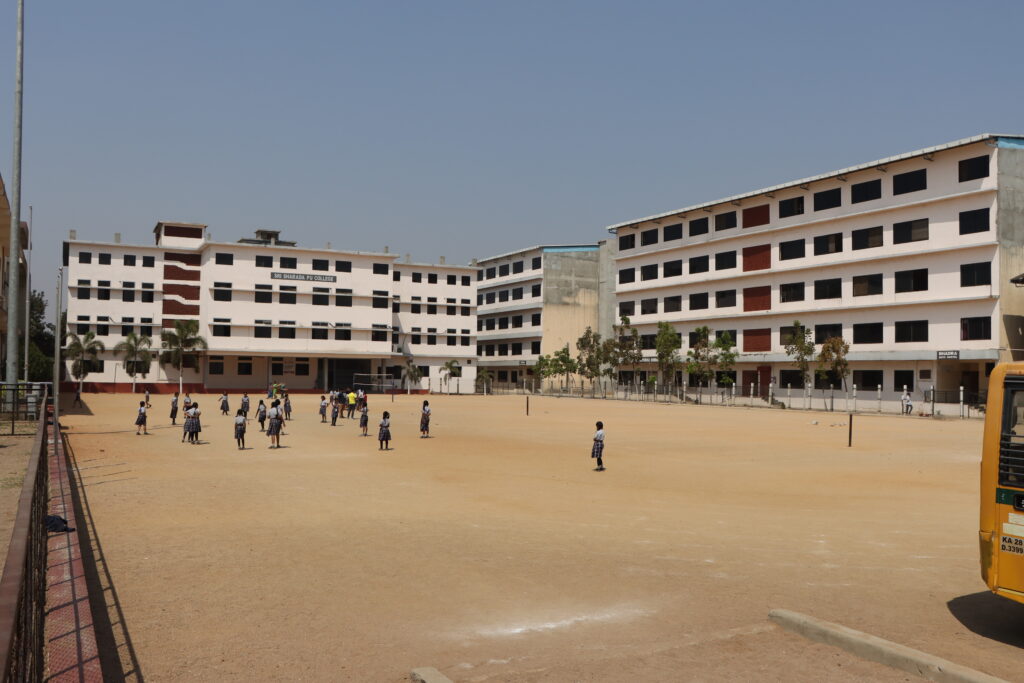
Building a Strong Academic Foundation
One of the primary roles of PU colleges is to help students develop a strong academic base in their chosen stream. Science, commerce, and arts streams provide specialized knowledge that prepares students for higher education.
For science students, subjects such as:
- Physics
- Chemistry
- Mathematics
- Biology
- Computer Science
help develop analytical thinking and problem-solving abilities. These subjects are also essential for students preparing for competitive exams like NEET, JEE, and KCET.
A strong conceptual understanding gained during PU education helps students perform better in university-level studies.
Preparing Students for Competitive Exams
PU colleges also help students prepare for national and state-level competitive examinations. Many professional courses require entrance exams for admission.
PU students often prepare for exams such as:
- NEET for medical courses
- JEE for engineering institutes
- KCET for professional courses in Karnataka
With the right academic guidance and integrated coaching programs, students can prepare for these exams alongside their PU studies.
Developing Critical Thinking and Problem-Solving Skills
PU education encourages students to develop critical thinking and analytical skills. Instead of simply memorizing information, students are taught to understand concepts and apply them in different situations.
Through assignments, laboratory experiments, and problem-solving exercises, students learn how to:
- Analyze complex problems
- Apply logical reasoning
- Develop innovative solutions
These skills are essential for success in higher education and professional careers.
Encouraging Personal and Leadership Development
PU colleges not only focus on academics but also emphasize the overall development of students. Participation in extracurricular activities helps students build confidence and leadership abilities.
Students are encouraged to participate in:
- Cultural programs
- Debate and essay competitions
- Sports activities
- Academic competitions and quizzes


Such activities help students develop communication skills, teamwork, creativity, and self-confidence.
Providing Career Guidance
Another important role of PU colleges is to help students explore their career options. During this stage, students begin to identify their interests and strengths.
Teachers and mentors guide students by:
- Providing academic counseling
- Helping them choose the right career paths
- Offering information about higher education opportunities
- Supporting them in preparing for entrance exams
Proper guidance during PU education helps students make informed decisions about their future careers.
Building Discipline and Responsibility
The PU stage also helps students develop discipline and responsibility. Students learn to manage their time between studies, extracurricular activities, and exam preparation.
Through regular classes, assignments, and examinations, students develop:
- Time management skills
- Focus and dedication
- Responsibility toward academic goals
These habits help students succeed not only in their education but also in their future professional lives.
Creating a Pathway to Higher Education
PU education serves as the bridge between school and higher education. The knowledge and skills gained during these two years prepare students for university-level courses in fields such as:
- Medicine
- Engineering
- Science and research
- Commerce and business
- Arts and humanities
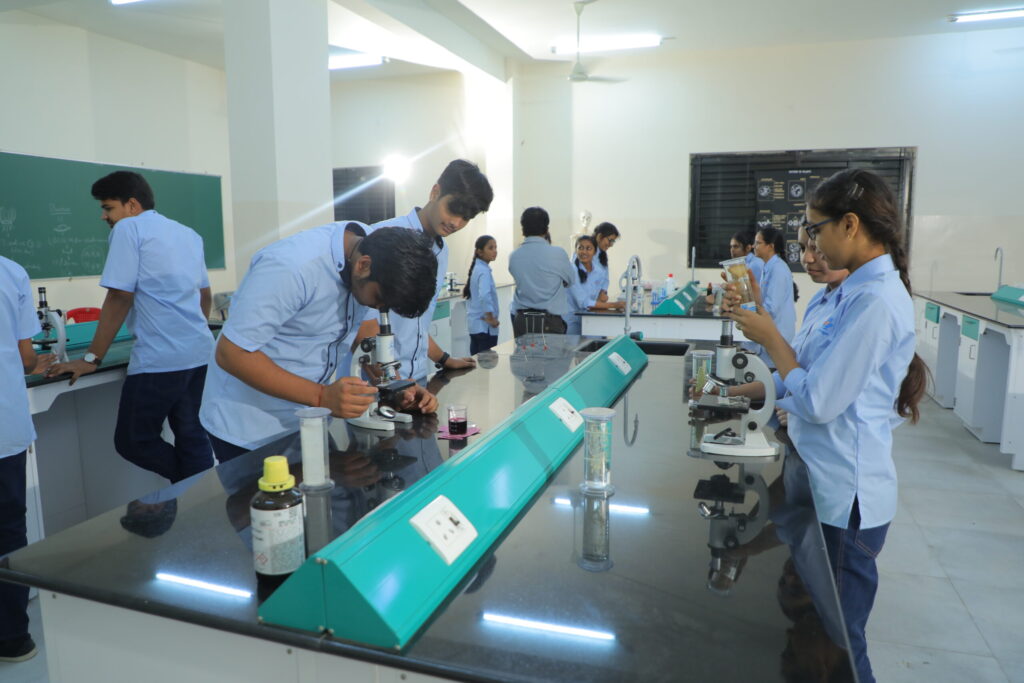
By providing strong academic support and guidance, PU colleges help students confidently step into higher education and professional careers.
Conclusion
The role of PU colleges in shaping a student’s future cannot be overstated. These institutions provide the academic foundation, career guidance, and personal development opportunities that prepare students for higher education and professional success.
Through quality education, experienced faculty, and opportunities for holistic development, PU colleges help students discover their potential and build a strong pathway toward a successful future.